


How to Celebrate Black History Month in Charleston
Charleston is one of the most profound places in the United States to honor Black History Month. From the art and music that fill our galleries and music halls to the very bricks in the foundations of our historic homes, Black history is the bedrock of the Holy City.
As the main point of entry for enslaved people coming from the West Coast of Africa—with nearly half of all incoming individuals processed in our port—Charleston’s story is inseparable from the African American experience. To celebrate the achievements and resilience of the Black community, we have curated the most meaningful ways to participate in Black History Month this year.
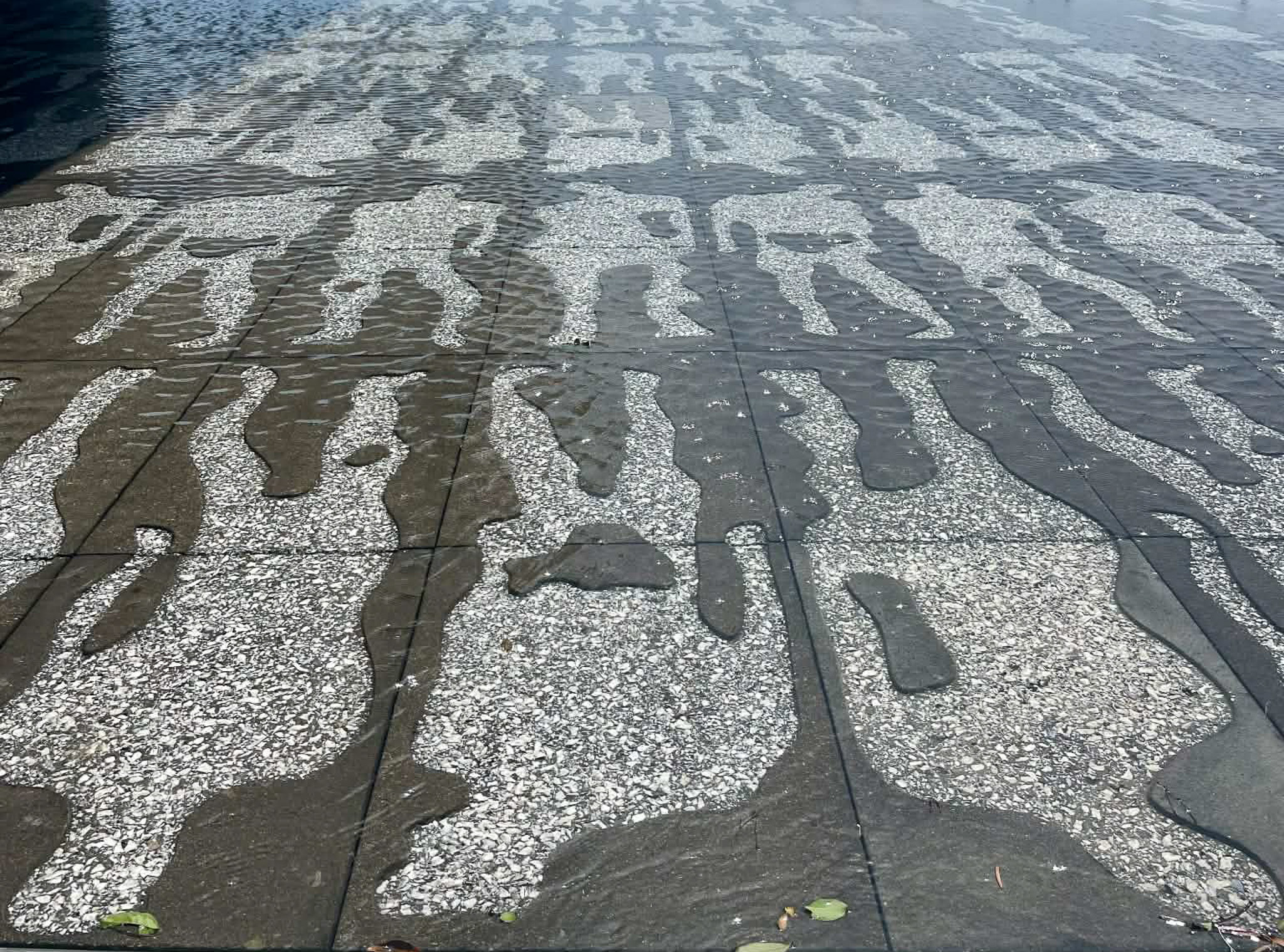
Visit the International African American Museum (IAAM)
The International African American Museum stands on Gadsden’s Wharf, the precise site where more enslaved Africans arrived and were sold than anywhere else in the United States. This world-class museum offers a journey through the African Diaspora, featuring the Center for Family History and sprawling gardens that invite quiet reflection on the very ground where history unfolded.
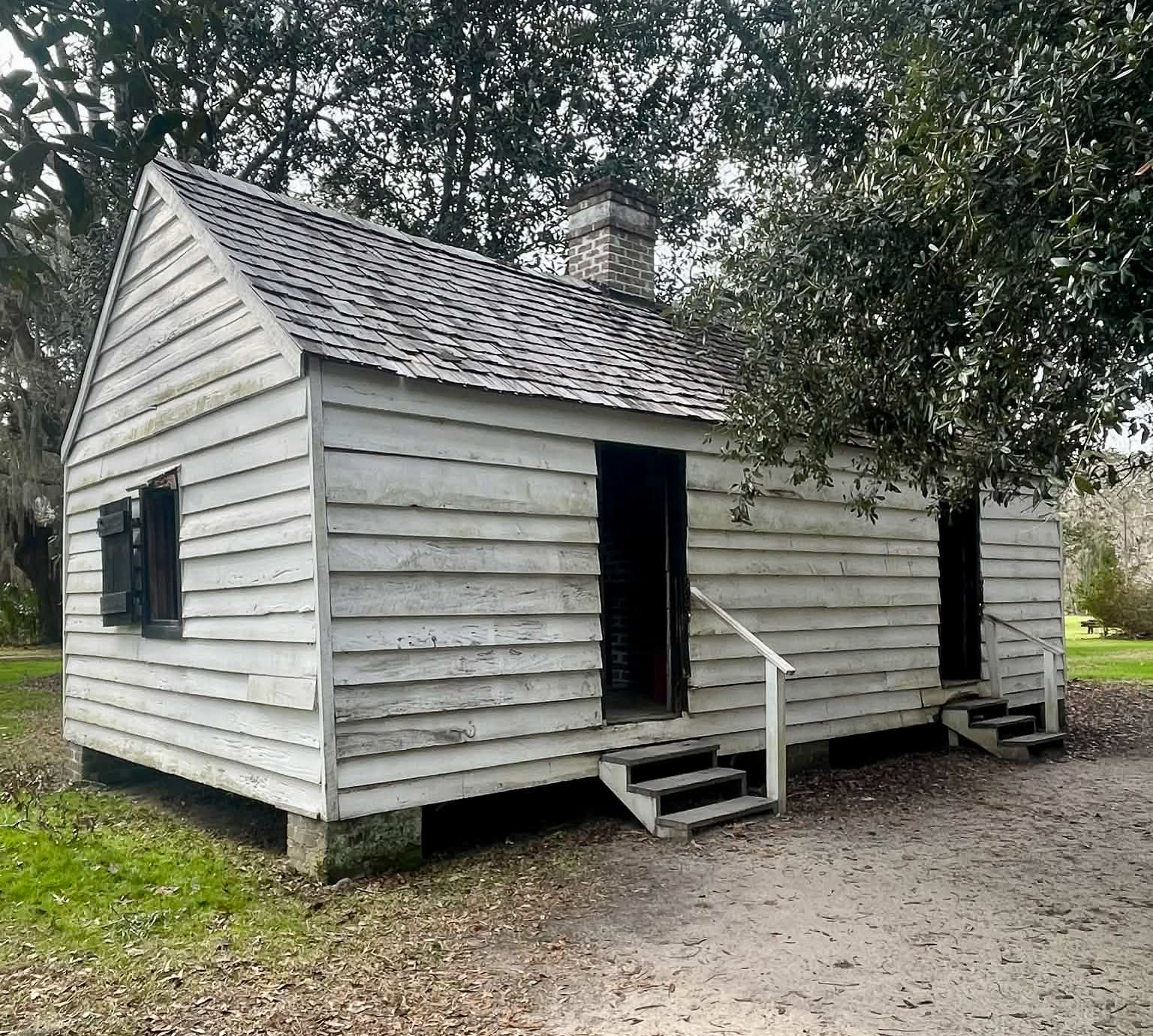
Take a Tour
Taking a Black history tour offers a deeper context, personal perspective, and a more meaningful way to connect with the Lowcountry beyond what you’ll find in guidebooks.
Gullah Tours: Gullah is the unique language and culture of the African people who first inhabited the coast of South Carolina and the neighboring Sea Islands. The language and culture still thrive today in and around the Charleston/Beaufort, South Carolina region.
- Gullah Tours: Explore the places, history, and stories that are relevant to the rich and varied contributions made by Black Charlestonians.
- Frankly Charleston: Franklin Williams offers “the other Charleston through immersive, interactive, truth-centered Black history tours”. Frankly Charleston has been featured in Condé Nast, Forbes, Fodor’s Travel, and The Miami Herald.
- From Slavery to Freedom Tour: This guided experience at Magnolia Plantation and Gardens explores the institution of slavery, the domestic slave trade, and the systems that sustained plantation life, providing essential background for understanding the lives of those who lived and labored there. Guests are then invited to examine daily life on a rice plantation and explore the historic cabins on their own.
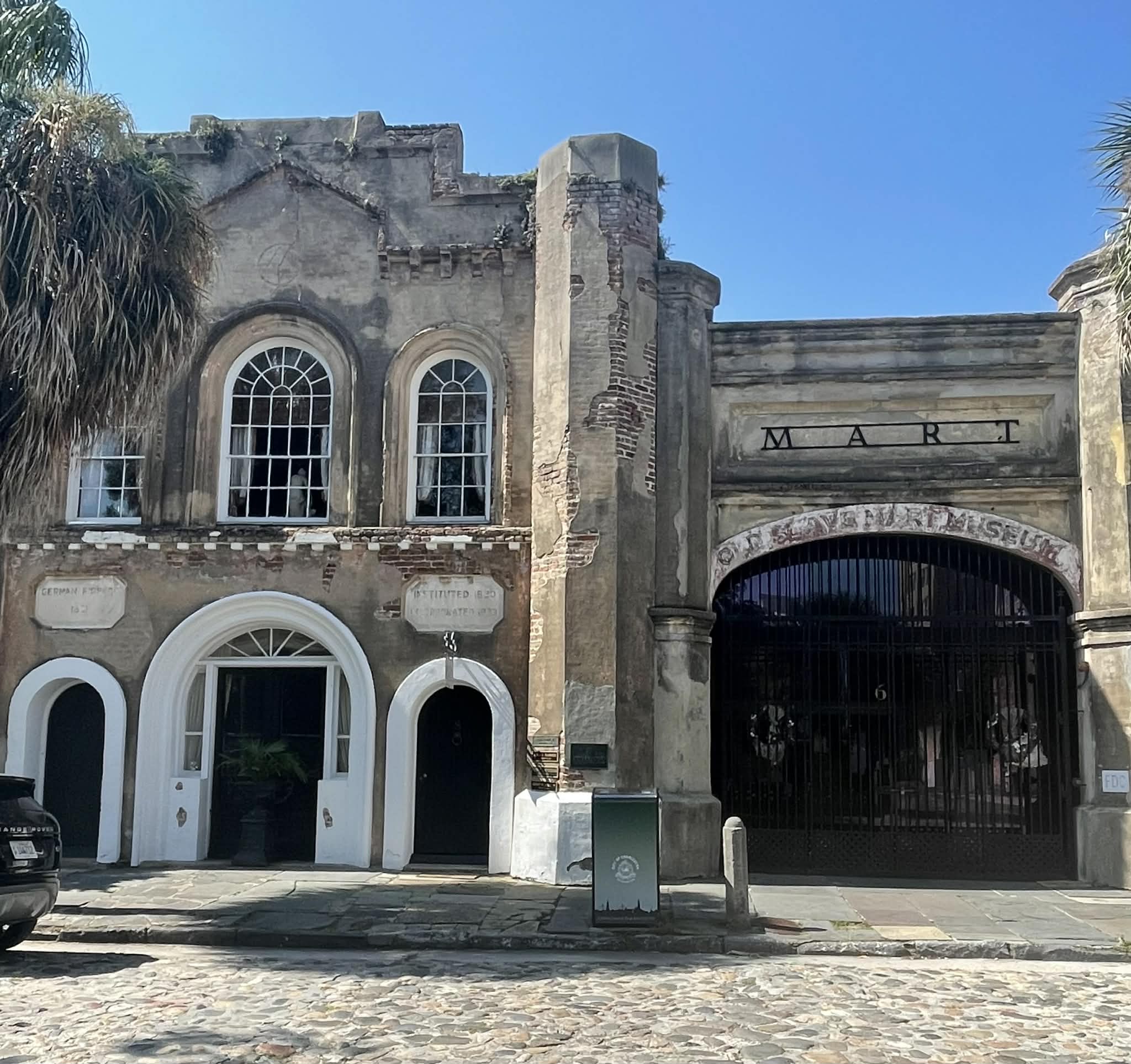
Visit the Old Slave Mart Museum
The Old Slave Mart Museum is the only known building in South Carolina still standing that was once used as a slave auction gallery, this museum is now home to artifacts, interactive exhibits, and photos that recount Charleston’s role in the domestic slave trade. The site includes a brick-enclosed yard that once contained a slave jail and kitchen.

Explore Eliza’s House at Middleton Place
Eliza’s House is a Reconstruction-era African American freedman’s dwelling that contains a permanent exhibit on slavery, entitled Beyond the Fields. Based on extensive research over a decade, the exhibit documents the story of slavery in South Carolina and at Middleton Place. The focal point of the exhibit is a panel with the names of over 2800 African and African American men, women, and children enslaved by the Middletons. Named for its last resident, Eliza Leach, the building opened as a house museum for visitors in 1991.
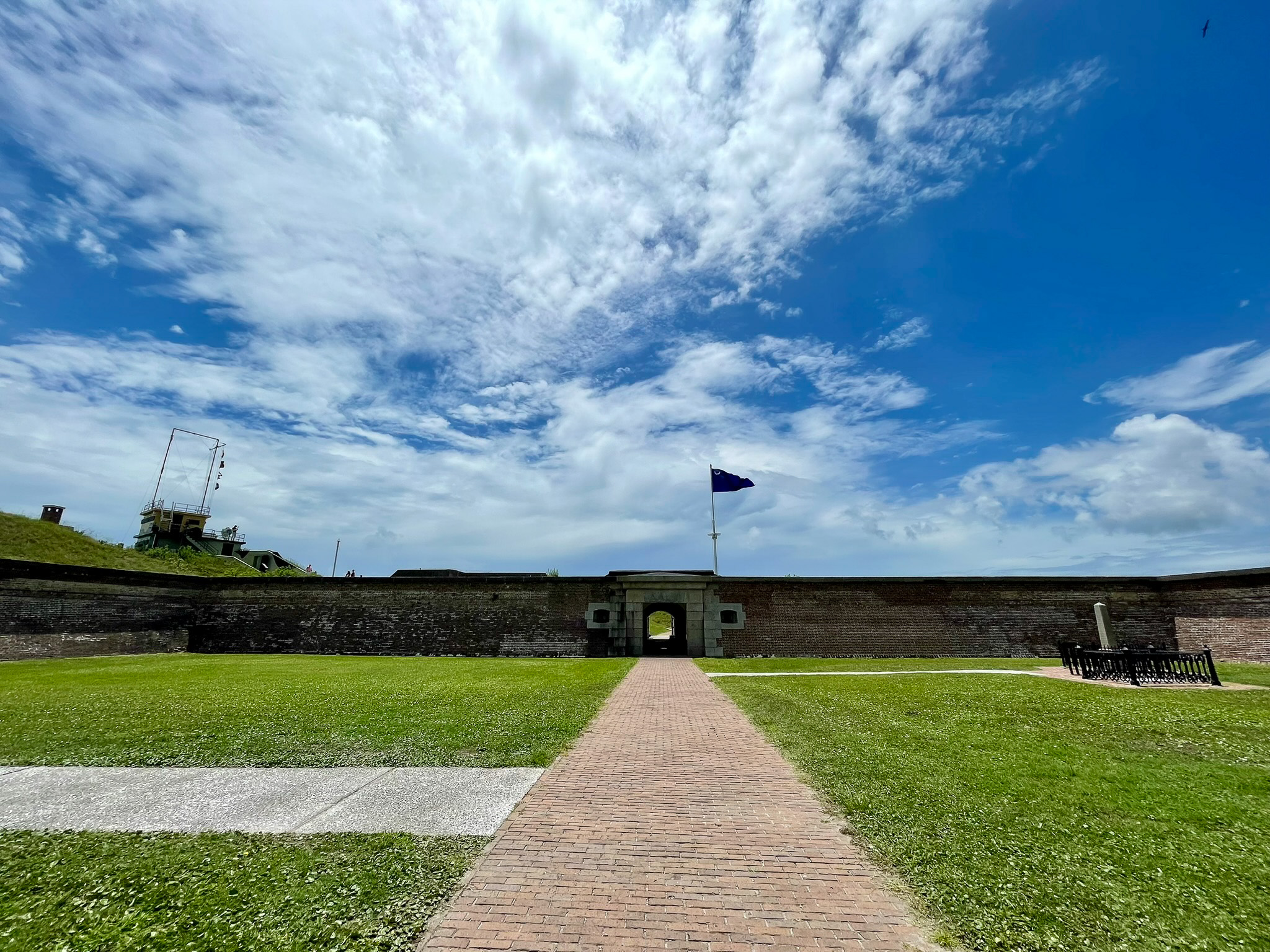
Visit Fort Moultrie
On Sullivan’s Island, Fort Moultrie offers more than a glimpse into military history—it also highlights Sullivan’s Island as a critical entry point and quarantine site for West Africans brought to the Carolina colony during the Middle Passage. Historians estimate that between 200,000 and 360,000 Africans arrived via Charleston Harbor before the international slave trade was outlawed in 1808. In the absence of formal monuments or museums, author Toni Morrison helped establish a “Bench by the Road” to honor and remember this important history.
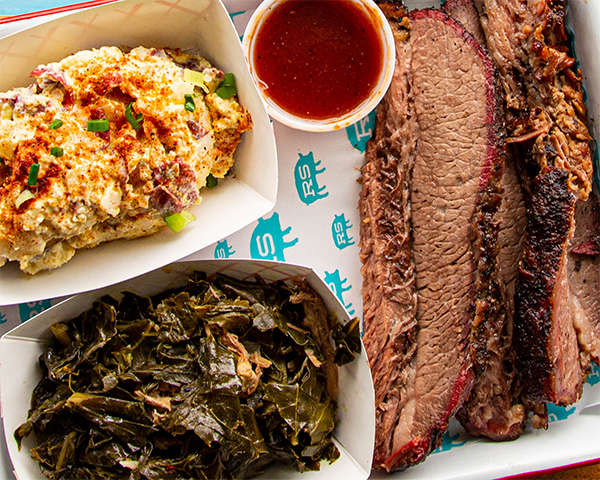
Support Black-Owned Culinary Traditions
One of the most meaningful ways to celebrate Black History Month in Charleston is through food. Black-owned restaurants across the city continue to honor generations of culinary excellence, sharing flavors and traditions that are deeply rooted in the Lowcountry. Here are a few popular spots:
- Rodney Scott’s BBQ: For world-renowned “whole hog” barbecue.
Hannibal’s Kitchen: Famous for the best shrimp and grits in Charleston and their signature shrimp & crab rice dish. - My 3 Sons of Charleston: Offers a modern twist on original Charleston dishes ranging from deviled crab to chicken & waffles, priding themselves on something for everyone to eat!
- Bintu Atelier: Experience the vibrant flavors of Africa. Enjoy Egusi on Wednesdays and Thursdays, and Thieboudienne on Fridays and Saturdays.
Whether you are walking the halls of the IAAM or sharing a meal at a local Gullah eatery, Black History Month in Charleston is about more than just looking back—it’s about honoring the people who built the “Holy City” and continue to shape its vibrant future.